
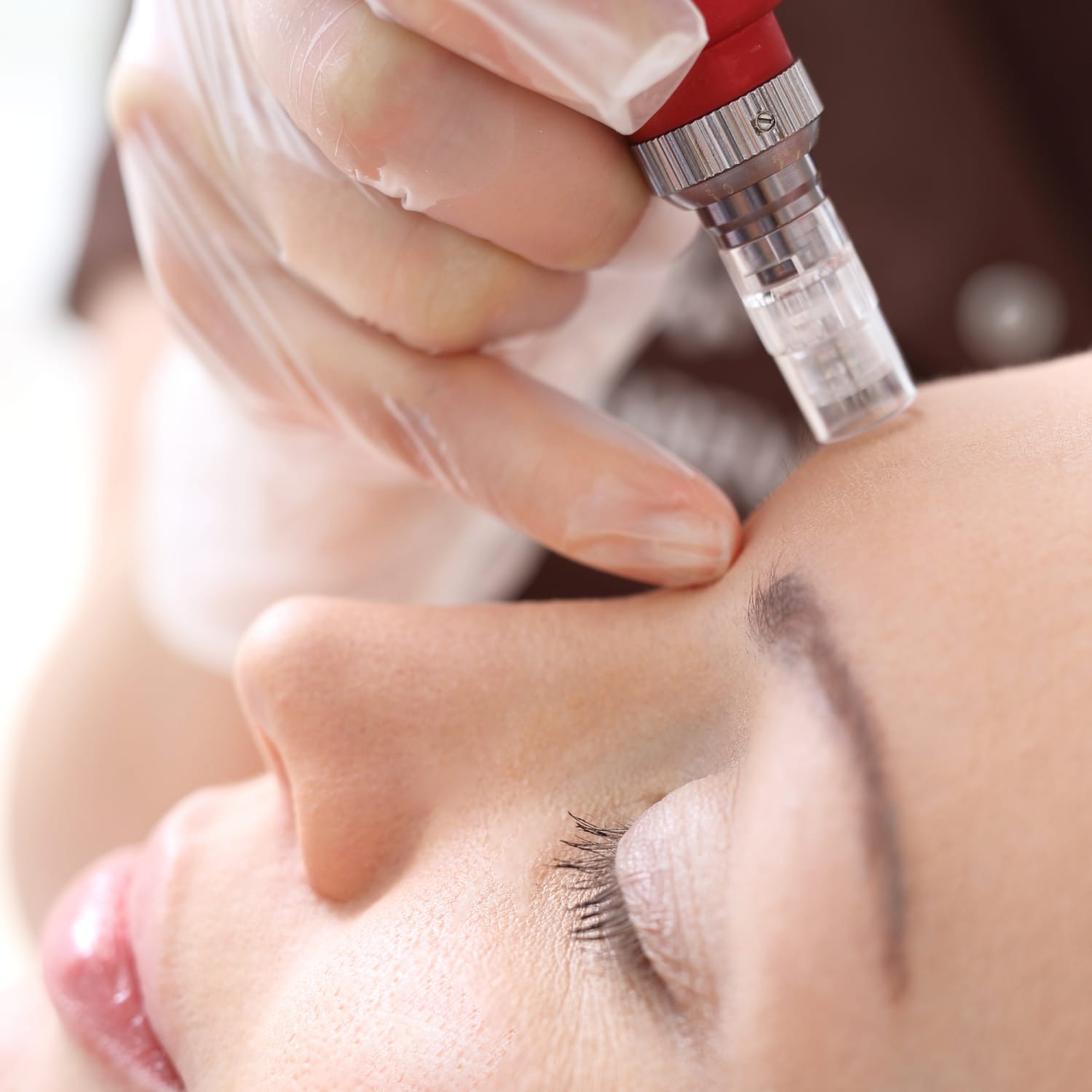
Microneedling: Why Everyone’s Talking About This Skin-Renewing Treatment
If you’ve spent any time in the skincare world lately, you’ve probably heard the buzz around microneedling—and for good reason. This minimally invasive treatment has become a favorite for people who want real skin changes without aggressive procedures or long downtime. So what exactly does microneedling do, and why is it so effective?
Let’s break it down
What Is Microneedling?
Microneedling (also known as collagen induction therapy) uses very fine, sterile needles to create tiny micro-channels in the skin. These micro-injuries are controlled and superficial, but they signal your body to kick its natural healing response into gear—producing new collagen and elastin, the building blocks of healthy, youthful skin.
Key Benefits of Microneedling
As we age, collagen production slows down, leading to wrinkles, sagging, and thinner skin. Microneedling gently stimulates your body to make more collagen on its own—no synthetic fillers required. Over time, skin becomes firmer, smoother, and more resilient.
Microneedling is excellent for smoothing rough or uneven skin. It can help reduce:
Acne scars
Fine lines and wrinkles
Enlarged pores
Uneven texture
Many people notice their skin feels softer and looks more refined after just one session, with continued improvement over a series of treatments.
By accelerating skin turnover and regeneration, microneedling can gradually fade dark spots, sun damage, and post-inflammatory hyperpigmentation—especially when combined with proper skincare and sun protection.
Those tiny micro-channels temporarily increase your skin’s ability to absorb topical serums and nutrients. This means products like hyaluronic acid, peptides, or growth factors can penetrate more effectively, making your skincare routine work harder for you
Compared to more aggressive resurfacing treatments, microneedling has relatively little downtime. Most people experience mild redness (similar to a sunburn) for 24–72 hours, making it a popular option for those with busy schedules.
When performed correctly by a trained professional, microneedling is generally safe for a wide range of skin tones and types. Unlike some laser treatments, it carries a lower risk of pigment changes for deeper skin tones.
What Does It Feel Like?
Some people may feel slight discomfort and others do not feel much at all. A topical numbing cream is used to keep you comfortable during the session. Afterward, your skin may feel warm, tight, or slightly sensitive for a day or two.
How Many Sessions Do You Need?
While you may see a glow after one treatment, microneedling works best as a series. Many people benefit from 4–12 sessions spaced about 4–6 weeks apart, depending on their skin goals.
Is Microneedling Right for You?
Microneedling can be a great option if you’re looking to:
Improve signs of aging naturally
Address acne scarring or texture issues
Refresh dull or tired-looking skin
Support long-term skin health
A consultation with a qualified practitioner can help determine the right depth, frequency, and treatment plan for your skin.