
How Acupuncture Works: A Simple, Modern Explanation
Acupuncture has been around for thousands of years, but you don’t need to understand ancient philosophy to understand how it works. At its core, acupuncture is about communication, helping your body send clearer signals so it can heal itself more efficiently.
Here’s a simplified, modern way to think about it.
Your Body Is an Electrical System
Your nervous system runs on electricity. Every thought, movement, and sensation happens because electrical signals are traveling through your body. Even your heart and muscles rely on electrical impulses to function properly.
Acupuncture works with this electrical system.
Many acupuncture points are located in areas of low electrical resistance, meaning electricity moves more easily through them. When a needle is placed at one of these points, it gently influences how electrical signals flow—much like adjusting a dimmer switch rather than flipping a light fully on or off.
Fascia: The Body’s Communication Web
Fascia is the connective tissue that surrounds muscles, organs, nerves, and blood vessels. Instead of being separate parts, your body is wrapped in one continuous fascial network, like a 3D web.
What’s fascinating is that fascia is:
- Highly innervated (rich in nerves)
- Conductive, meaning it can transmit mechanical and electrical signals
- Responsive to pressure, stretch, and vibration
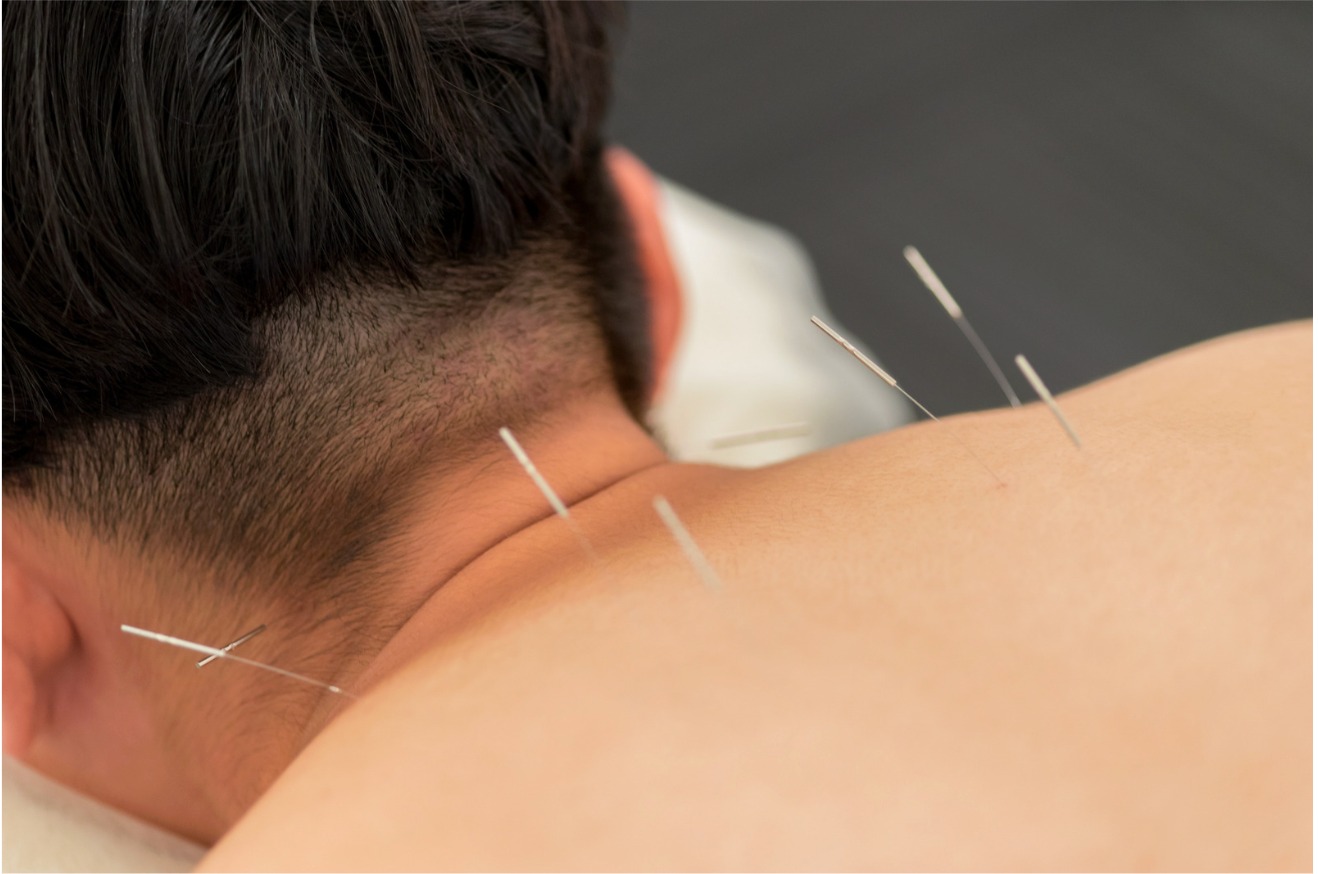
Acupuncture needles interact directly with this fascial system. When a needle is inserted, it creates a small mechanical pull in the fascia, which can send signals across the network—sometimes far away from the needle itself.
This helps explain why a point on the hand can affect the neck, or a point on the foot can influence digestion.
How Signals Travel Through the Body
Think of acupuncture channels (also called meridians) as functional pathways, similar to electrical circuits. These pathways don’t have to be physical “tubes” to exist, just like Wi-Fi or electricity doesn’t need to be visible to be real.
When a signal encounters resistance, due to injury, inflammation, stress, or tension, the circuit becomes disrupted. Symptoms like pain, stiffness, fatigue, or poor digestion can show up.
Acupuncture helps by:
- Reducing resistance in these circuits
- Improving signal clarity
- Encouraging smoother communication between tissues and organs
In modern terms, this may involve the nervous system, fascia, local tissue chemistry, and blood flow all working together.
Why Acupuncture Can Affect So Many Systems at Once
One of the most common questions is:
How can one tiny needle help pain, digestion, sleep, and stress all at the same time?
Because the body doesn’t work in isolated parts.
By influencing the fascia and nervous system, acupuncture can help:
- Calm an overactive stress response
- Improve circulation and oxygen delivery
- Reduce muscle guarding and inflammation
- Support hormonal and immune regulation
Instead of forcing a specific outcome, acupuncture nudges the body back toward balance, and the body does the rest.
What You Might Feel During Treatment
People often report sensations like:
- A dull ache or heaviness
- Tingling or warmth
- A gentle spreading or traveling feeling
These sensations are signs that the body is responding and signals are being transmitted, not damage or injury.